Modern people, never-changing family issues, and Jim Jarmusch’s genius in both simplicity and depth. Father Mother Sister Brother uses somewhat mundane scenes of everyday family lives to make us reminisce that people need people and, sometimes, that’s all there is to it.
Jim Jarmusch shows us that human relationships stay at the core of the best stories, and that even now, in the age of ever-changing technical triumphs, including CGI, AI, and other newer tools used in filmmaking, content can still win over form. Films with good plots are good no matter the amount of money used on post-production and effects, while not every visual-effects-heavy film delivers an interesting story.
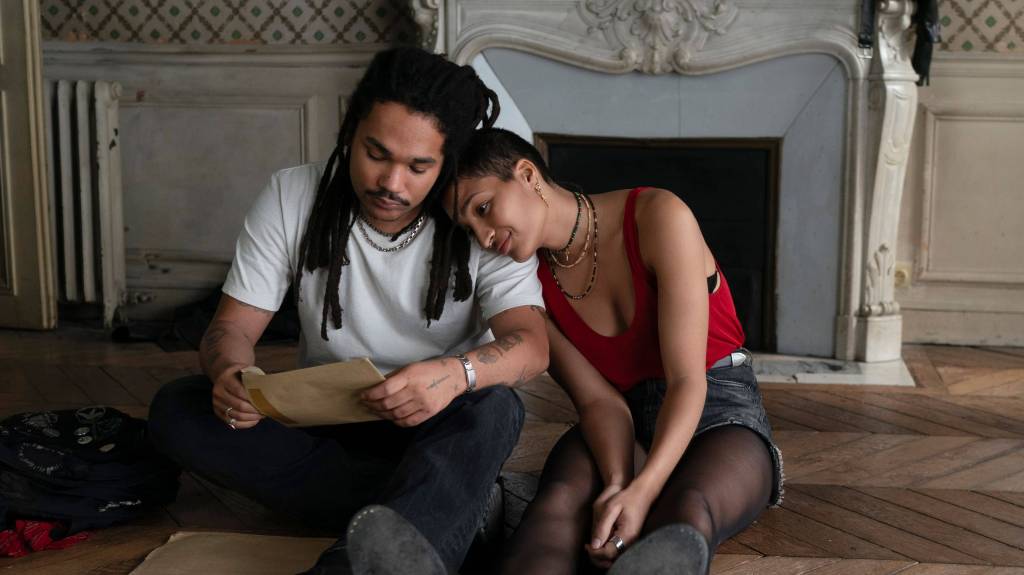
Father Mother Sister Brother is an anthology comprising three parts – three different family stories: “father,” “mother,” and “sister brother.” And, all families have their skeletons in the closet: two siblings visit their aging father who leads a double life at the expense of his grown-up kids; a traditional and posh mother hosts her annual afternoon tea for her extremely different grown-up daughters – which is the only time they meet during the year – who curate their lives in front of their mother like a perfect spectacle devoid of truth. Finally, the third part is probably the most hearty one. It tells the story of a twin brother and sister who, after the death of their parents, visit their old apartment in Paris one last time. As the family photographs and items left by their parents make the twins go down memory lane, their bond also rekindles.
Chinese horoscopes and zodiacs, debates over whether cheering with water or coffee is acceptable, rolexes, and skateboarding teenagers shot in slow motion are niche elements Jarmusch repeats throughout the anthology, using them as one of the red threads connecting the storylines. The star cast is a bonus.
Classic and somewhat dull composition shots are alternated with extremely stylized, cinematic, and aesthetically pleasing ones, portraying landscapes and close-ups of interiors and people in a very Jarmusch fashion. That’s especially true about the bird’s-eye-view shots of tables and their contents, so typical of Jim Jarmusch.
At the closing of the last part of the anthology, the cover by Anika of Nico’s song These Days starts playing, which is more widely known for being a prominent sound design element in Wes Anderson’s The Royal Tenenbaums (2001). It’d be interesting if Jarmusch was referencing Anderson here, cause the song could have easily been his way of linking the similarity of addressing dysfunctional and estranged families in both films.
Overall, Father Mother Sister Brother is a niche film that can be appreciated by both Jarmusch’s fans and those who are less familiar with the director’s style. It’s a 7 out of 10, in my opinion. Given I wasn’t a big fan of Jarmusch’s 2010’s filmography, my three favorites of his have always been Coffee and Cigarettes (2003), Night on Earth (1993), and Ghost Dog: The Way of the Samurai (1991), in that order. Now, Father Mother Sister Brother definitely gained the fourth place on that list!

 Light-Tinted Lens
Leave a comment